Ongoing and Upcoming Events
01 | Fall 2026 - Final Feedback Session / Design Presentation
A final participatory session will be held to present the proposed design for Anexartisias Street before its final delivery. The session will allow participants to review the proposal and provide feedback on key elements of the design.
This step will ensure transparency, validate the outcomes of the participatory process, and incorporate final inputs before completing the project.
Past Events
-
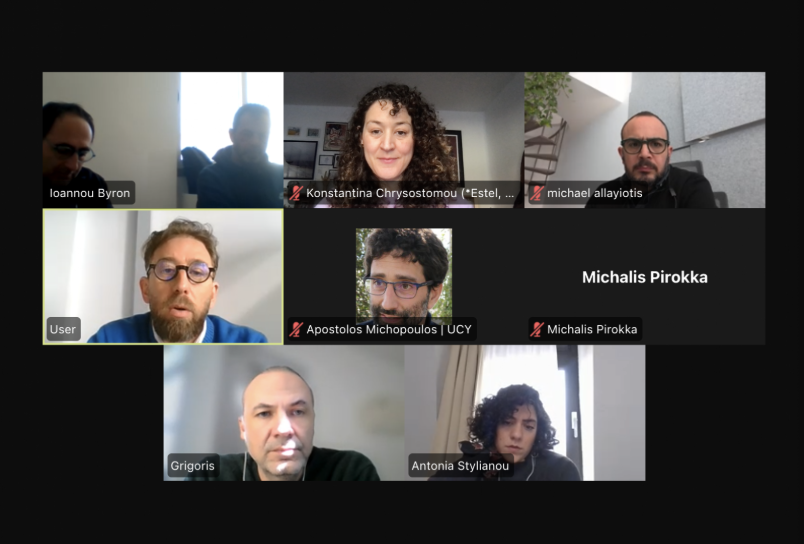
Mobility Experts Meeting
February 27, 2026
A structured technical discussion was held with mobility-related professionals to assess the current conditions of Anexartisias Street. The session focused on identifying key conflicts, constraints, and realistic opportunities for change within the urban mobility system.
The discussion provided essential technical insights into accessibility, circulation, safety, and logistics.
This will continue as an ongoing process of collaboration, testing and ground-truthing multiple scenarios and ideas. These inputs support the development of feasible and effective design strategies, grounded in real operational conditions and expert knowledge.
-
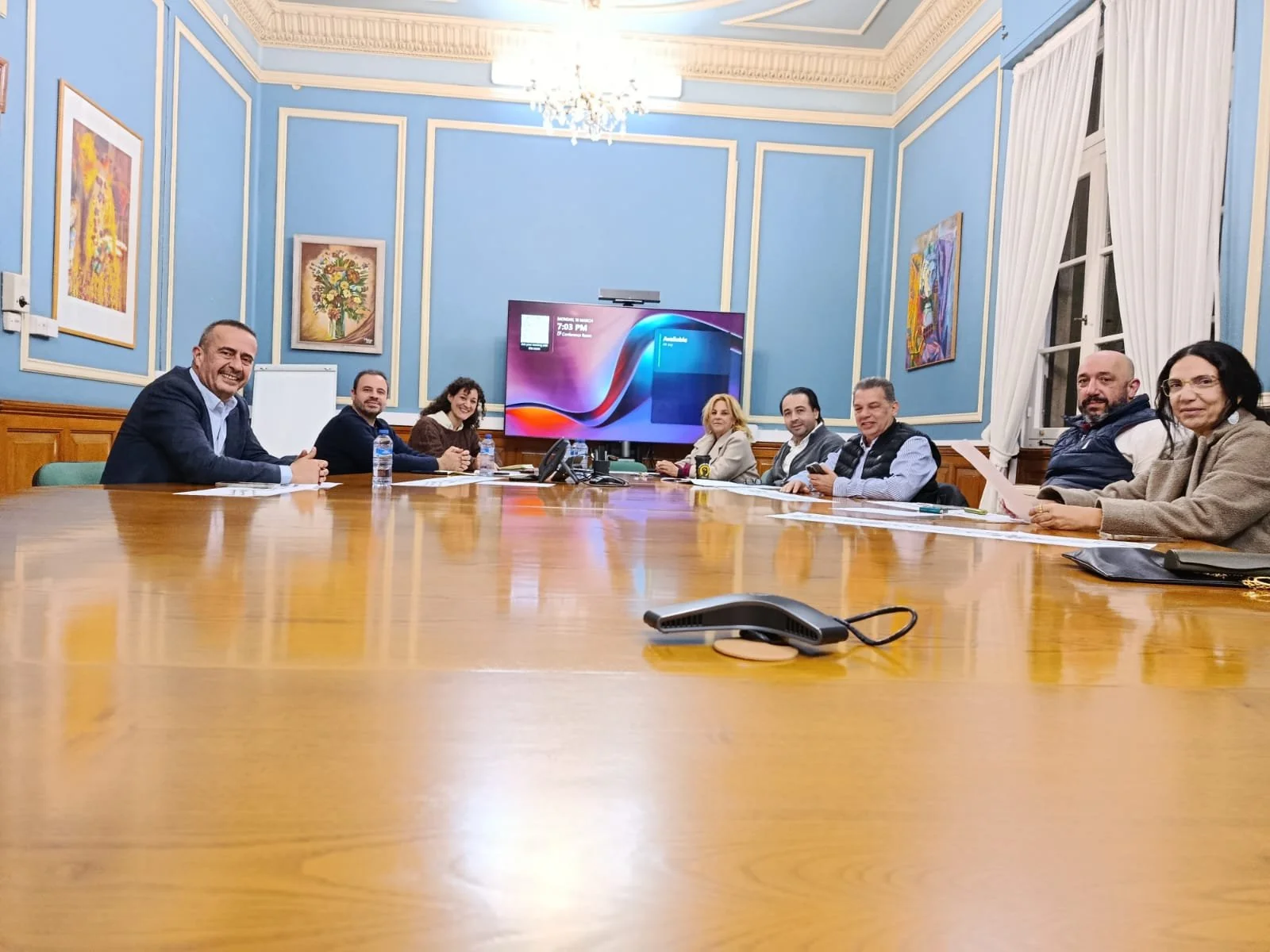
Political Team Interview – Listening Phase
March 16 & 26, 2026
As part of the initial phase of the participatory process, two structured interviews were conducted with the Municipality’s political team on March 16 and March 26, 2026. These sessions aimed to capture strategic priorities, political sensitivities, and long-term visions shaping the transformation of Anexartisias Street, providing insight into institutional expectations and its broader urban role within Limassol.
Key topics included the identity of Anexartisias as a central urban axis, public space quality, mobility, accessibility, economic activity, and cultural activation. The need to balance pedestrianization with commercial requirements, while ensuring feasible implementation, emerged as a critical consideration. These insights establish a strategic framework to guide design decisions and align the project with institutional goals.
-
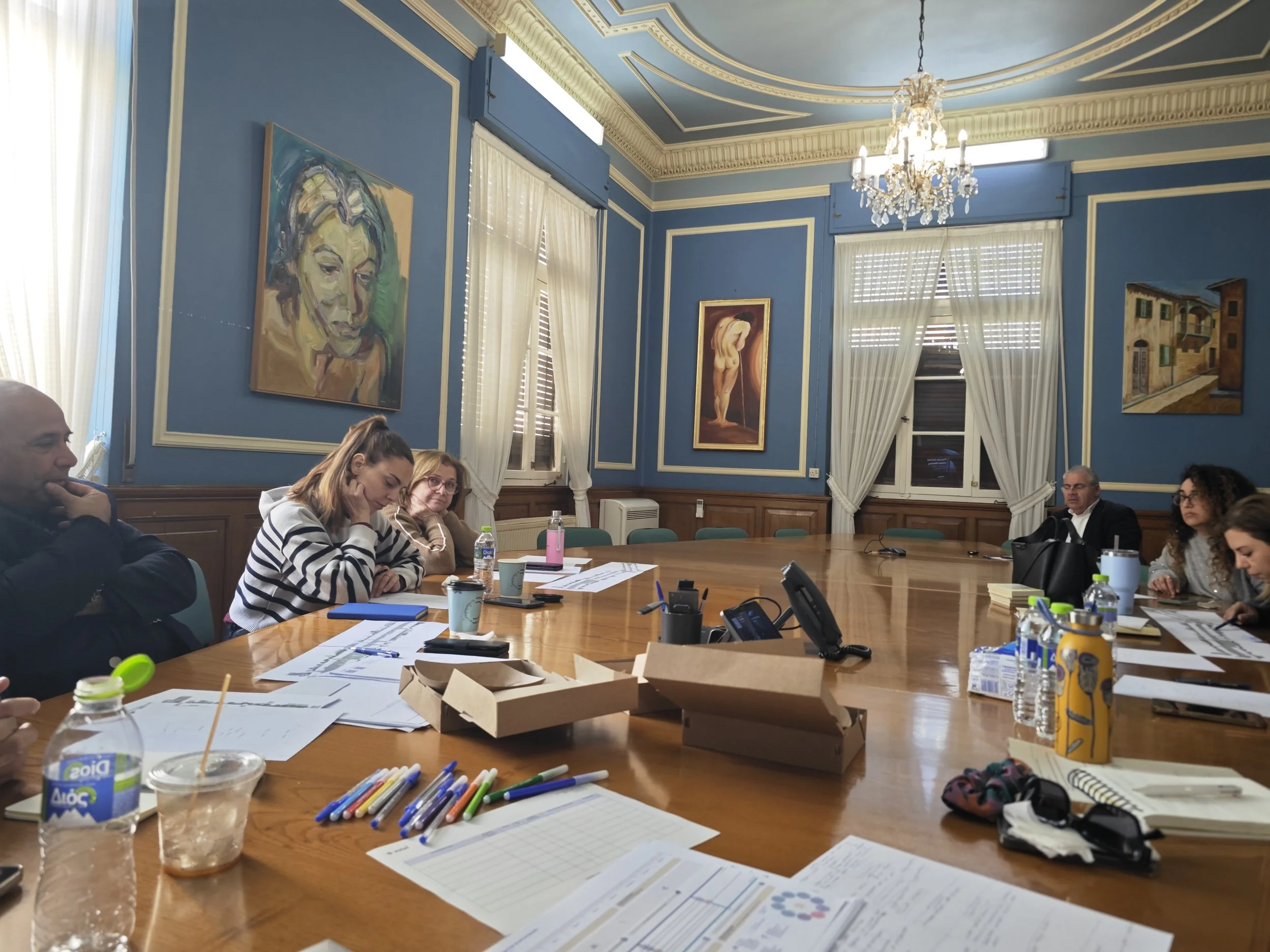
Technical Team Interview – Listening Phase
March 17, 2026
On March 17, 2026, a structured group interview was held with the Municipality’s technical team as part of the diagnosis phase. The session focused on gathering technical knowledge, identifying operational challenges, and understanding the constraints and opportunities affecting Anexartisias Street. It provided a comprehensive reading of the street as a complex urban system.
The discussion addressed key themes such as public space continuity, thermal comfort, infrastructure systems, waste management, mobility, and accessibility. Social dynamics, economic activity, cultural use, and long-term governance were also explored. The interview highlighted that successful transformation depends not only on design quality but also on effective management, maintenance, and the integration of inclusive and climate-responsive strategies.
-
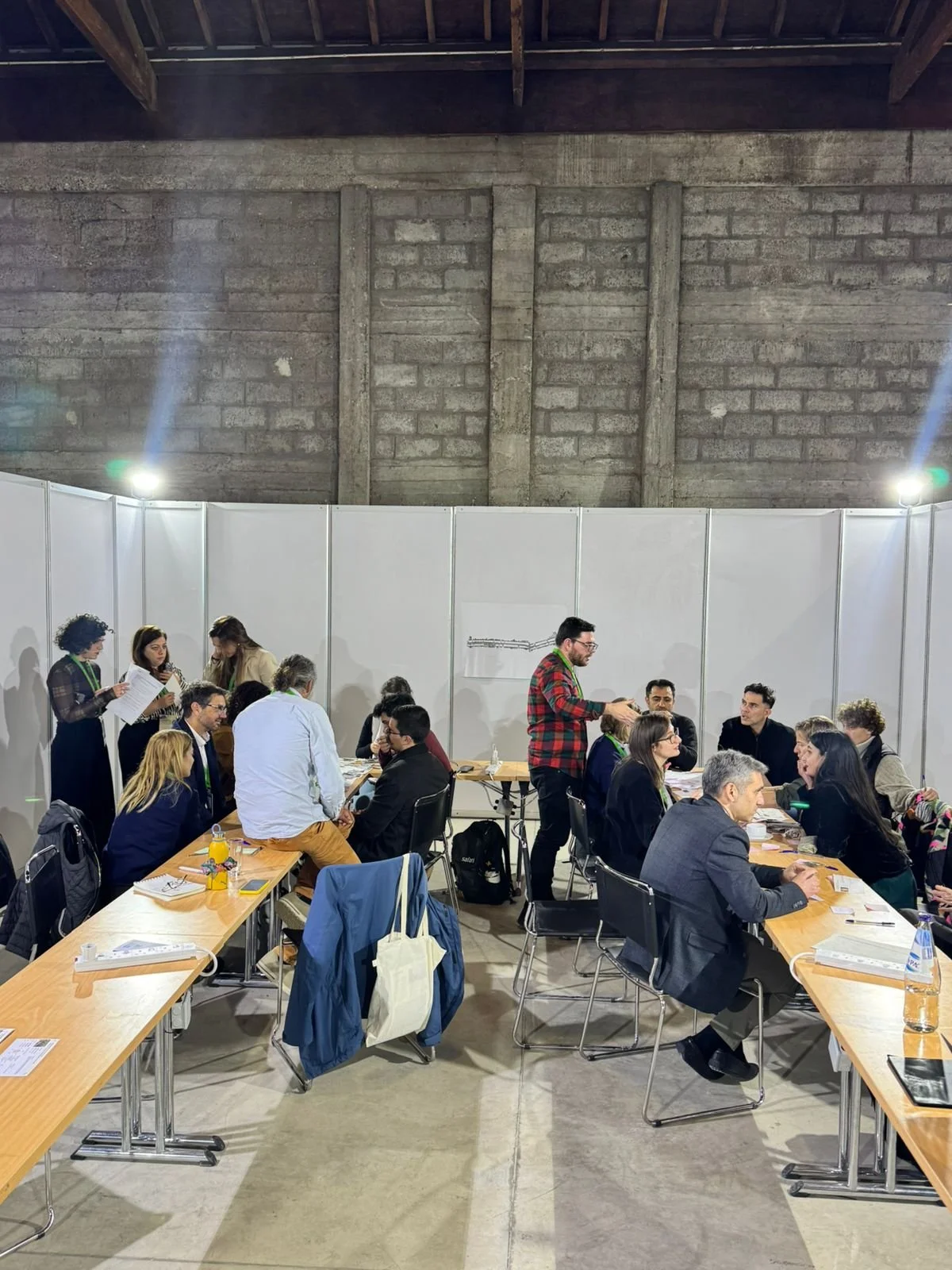
Climate Workshop – International Conference
March 19, 2026
On March 19, 2026, a participatory workshop took place as part of the international conference Climate Neutral Blue Cities by 2030. The session explored climate-responsive strategies for the transformation of Anexartisias Street through a collaborative and hands-on methodology. Participants worked in groups on two case studies—Pentadromos and the space between Athinon and Themidos Streets.
Through this process, participants defined values, strategies, and proposals based on nature-based solutions. Key topics included microclimate, shading, green infrastructure, materials, mobility, and social use of public space. The workshop emphasized pedestrian priority, thermal comfort, and inclusive design, highlighting the potential to transform key nodes into climate-adaptive, people-oriented spaces that support both social life and environmental resilience.
-
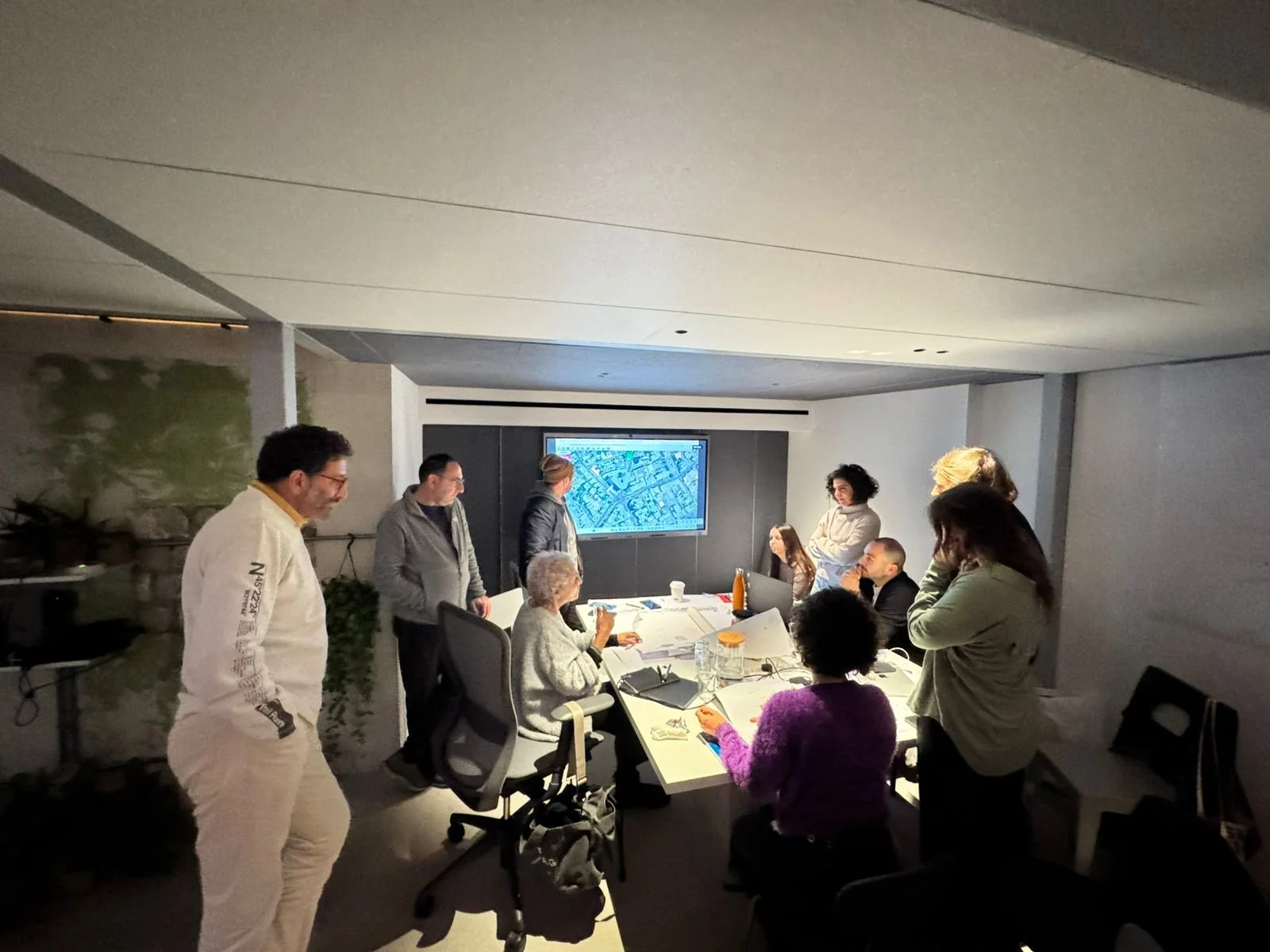
Transdisciplinary Internal Working Meeting
March 21, 2026
A transdisciplinary internal working meeting was held with the design team to align perspectives and integrate different fields of expertise. The session focused on sharing initial insights, coordinating approaches, and establishing common objectives for the transformation of Anexartisias Street.
The discussion enabled the exchange of knowledge across disciplines, helping to identify key challenges and opportunities from multiple viewpoints. This step ensured coherence in the process and supported the development of a holistic and integrated strategy moving forward.
-
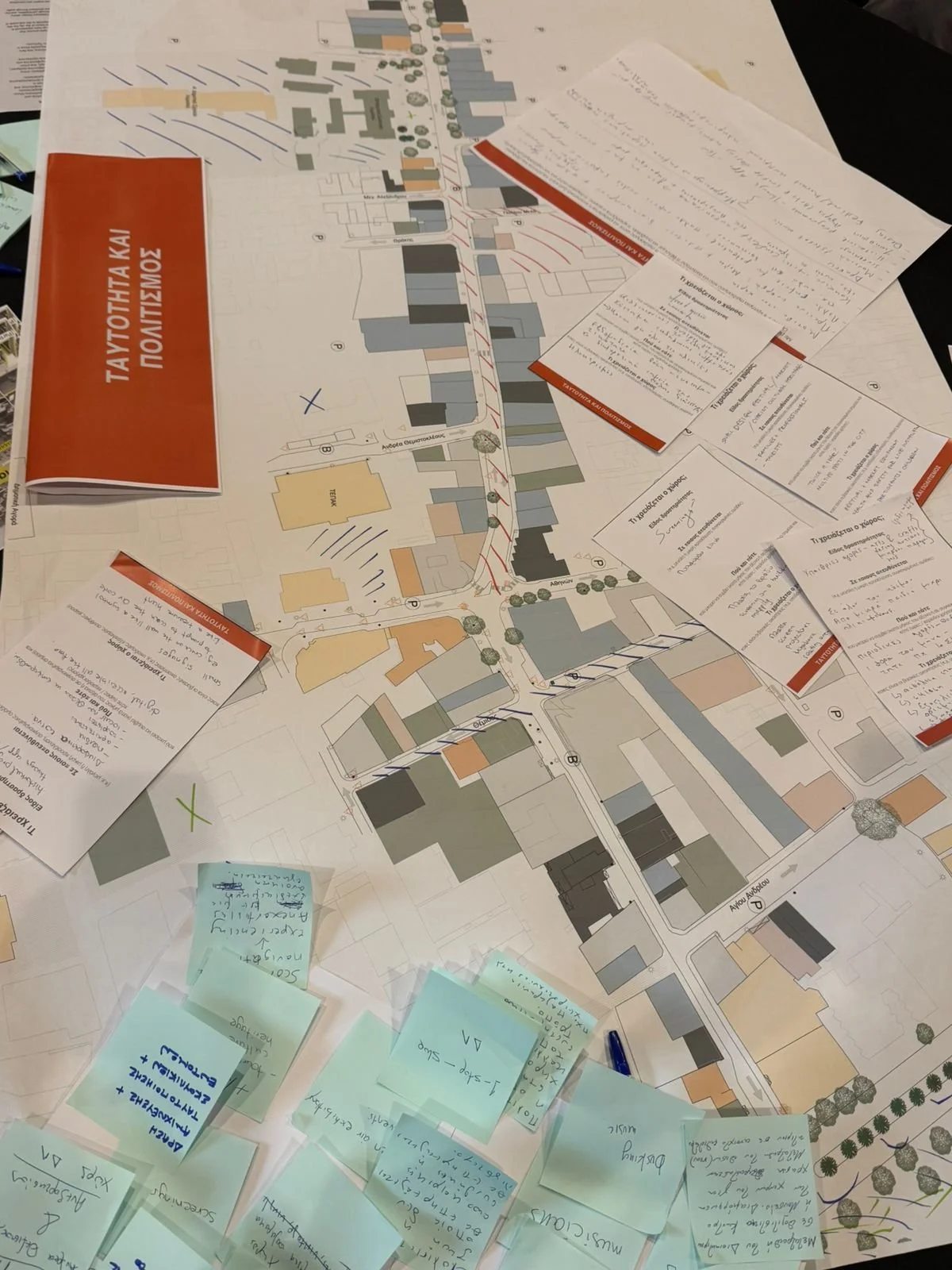
Participatory action - Thematic Workshop for Anexartisias
April 18, 2026
The thematic workshop took place at the Panos Solomonides Cultural Centre as part of the participatory process for Anexartisias Street. The session brought together 33 participants from different backgrounds - including professionals, stakeholders, and citizens - who worked in thematic groups (economy, culture, environment, mobility, and public space). Through discussion and mapping, participants shared experiences, identified challenges, and proposed ideas for the street.
The results indicate a need for a more comfortable and accessible street for everyone, with improved walking conditions and more spaces for staying and social interaction. The need for shade and greenery was also emphasized, along with the importance of a more active and lively public space and support for local businesses. In addition, better access to the city center was highlighted, including parking solutions in the wider area to support the street’s functionality.
-
Meeting with Local Business Representatives
April 18, 2026
A meeting was held with representatives of local businesses on Anexartisias Street, following a request from the business community to share their views early in the process. The session focused on both strategic questions about the future of the street and practical issues affecting its daily operation.
Participants highlighted accessibility and support for the local economy as key priorities. Main topics included parking, public transport, safety, and overall management, as well as the need for gradual and realistic improvements. The discussion also pointed to the potential of Anexartisias to strengthen its role as a commercial and cultural destination.
-
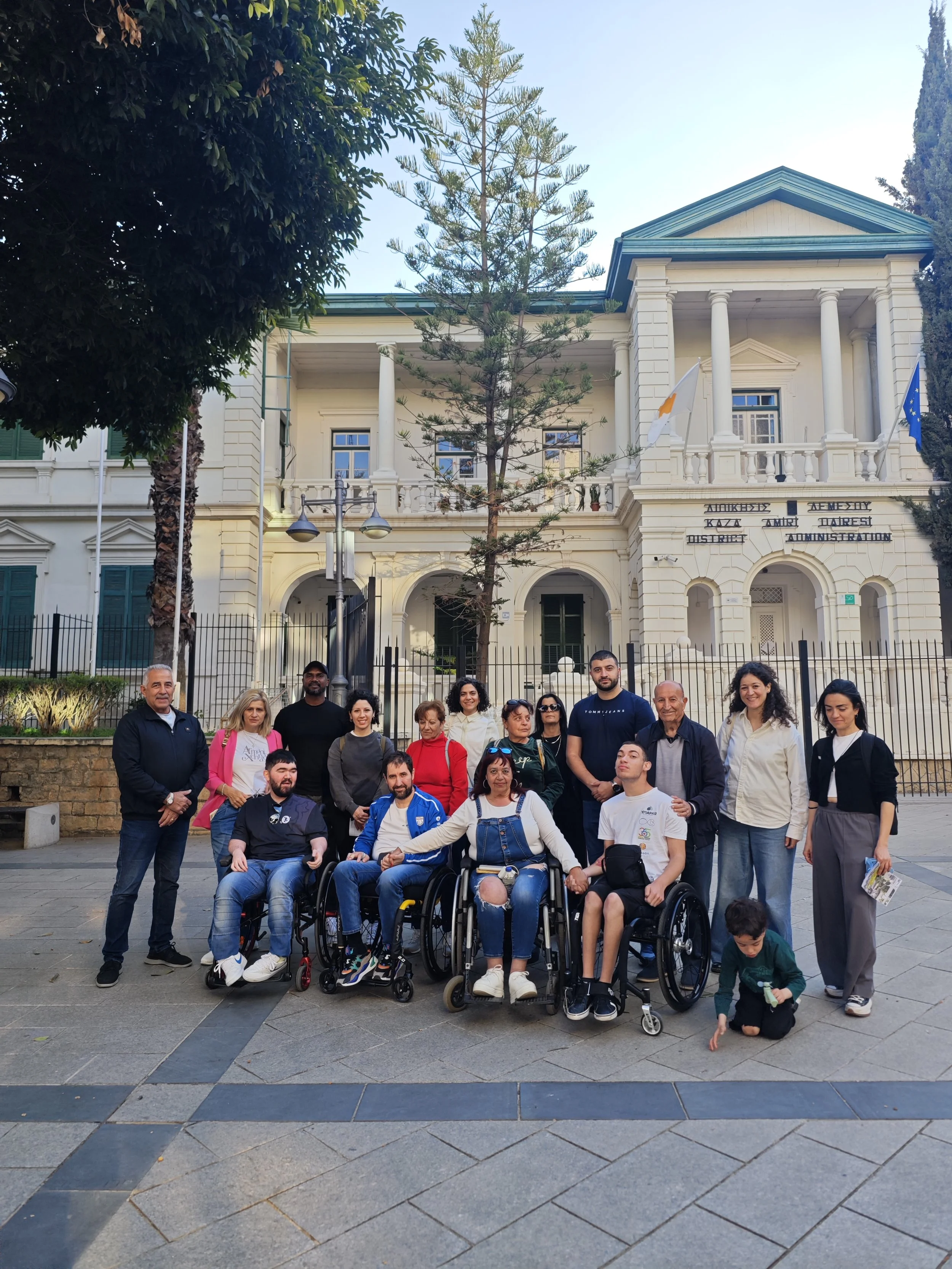
Accessibility Walk
April 21, 2026
An accessibility walk was carried out along Anexartisias Street with 14 participants, including people with reduced mobility and neurodivergent participants, and their caregivers, aiming to understand the street through lived experience. The route was defined collectively, with stops at critical points identified by the participants.
The session highlighted significant barriers to movement, including uneven surfaces, narrow or obstructed sidewalks, lack of safe crossings, and limited access to shops. Sensory challenges such as noise and visual complexity were also identified. The activity provided a grounded understanding of accessibility, emphasizing the need for continuous, autonomous, and inclusive movement along the street.
-
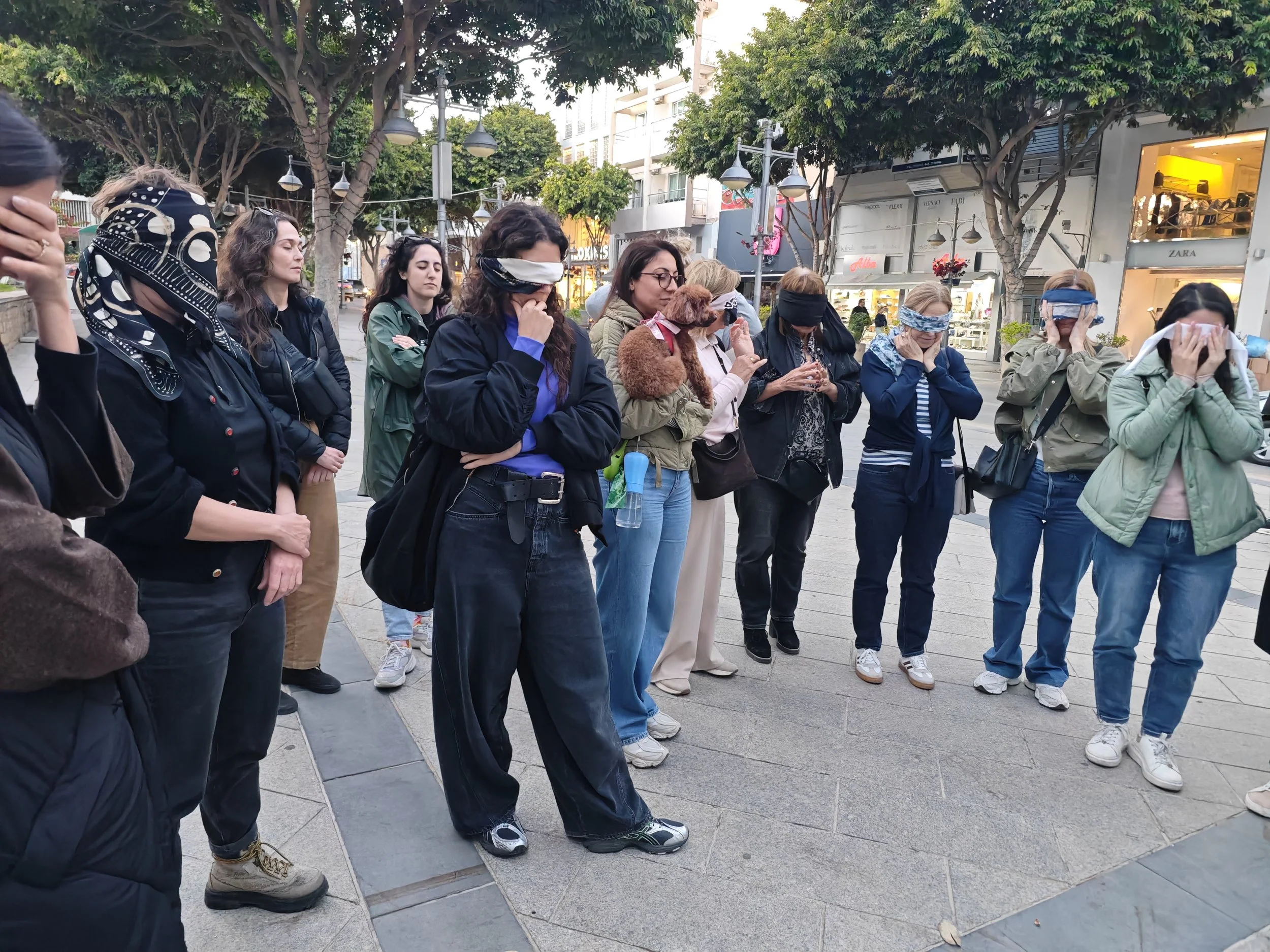
Gender Perspective Activity
April 21, 2026
A participatory activity with a gender perspective was conducted with 30 participants, primarily women of different ages, to explore perceptions of safety and comfort in public space. The session began with a sensory exercise, encouraging participants to experience the space beyond visual perception.
The discussion revealed how environmental conditions such as lighting, noise, spatial configuration, and visibility influence the sense of safety. Particular attention was given to the differences between day and night experiences and to areas perceived as isolated or unclear. The activity contributed to identifying spatial factors that affect inclusivity and highlighted the importance of designing for perceived and actual safety.
-
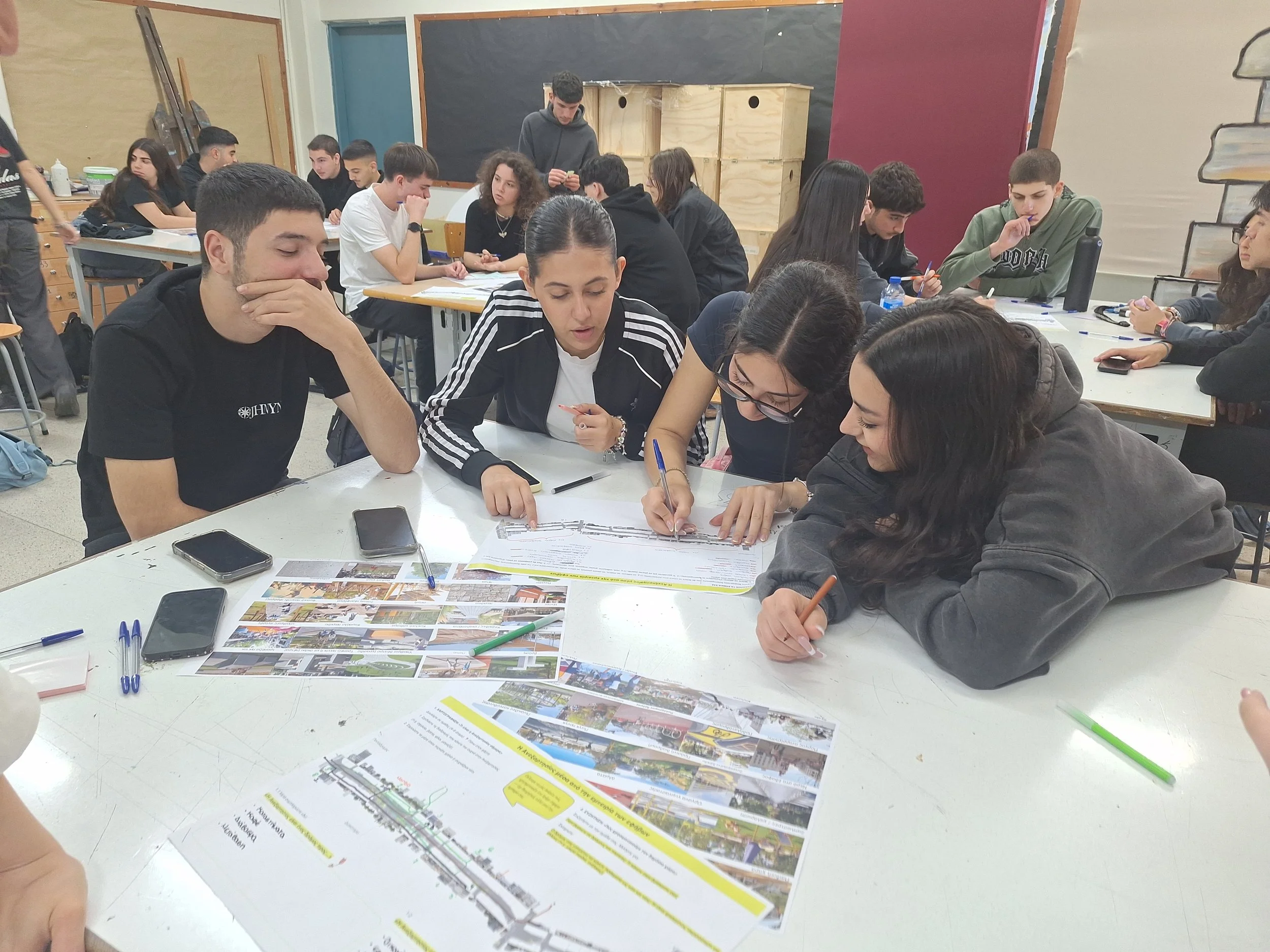
High School Workshop
April 21, 2026
A participatory workshop was held with 26 students aged 15–16 to understand how young people use and perceive Anexartisias Street. The session combined mapping exercises with discussions on current uses, needs, and desired changes.
Participants described the street primarily as a space of movement and consumption, with limited opportunities for staying or social interaction. The lack of seating, shade, greenery, and youth-oriented activities was identified as a key limitation. The workshop highlighted the need to transform the street into a more inclusive and multifunctional public space that supports everyday social life beyond consumption.
-
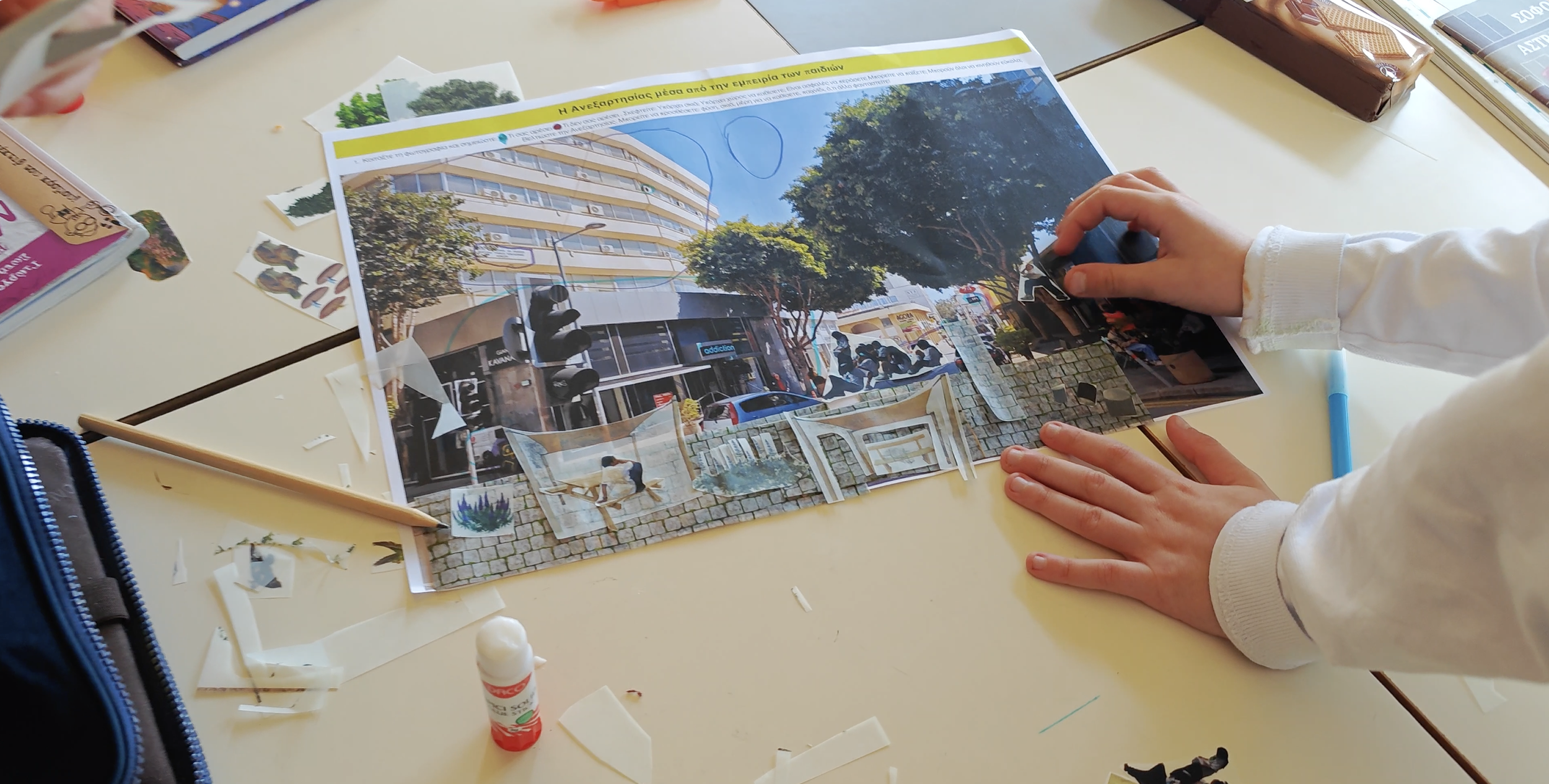
Primary School Workshop
April 22, 2026
A workshop with 20 primary school students aged 10–11 from A’ Astiki was conducted to capture children’s perspectives on Anexartisias Street through a creative collage exercise. Participants reflected on their daily experience of the street and proposed changes based on their needs.
The session revealed a strong desire for more nature, play, and spaces for staying. Participants identified cars, visual clutter, and lack of greenery as key issues, and proposed a more pedestrian-friendly and green environment. Their contributions emphasized the importance of comfort, safety, and play as essential components of the public space.
-
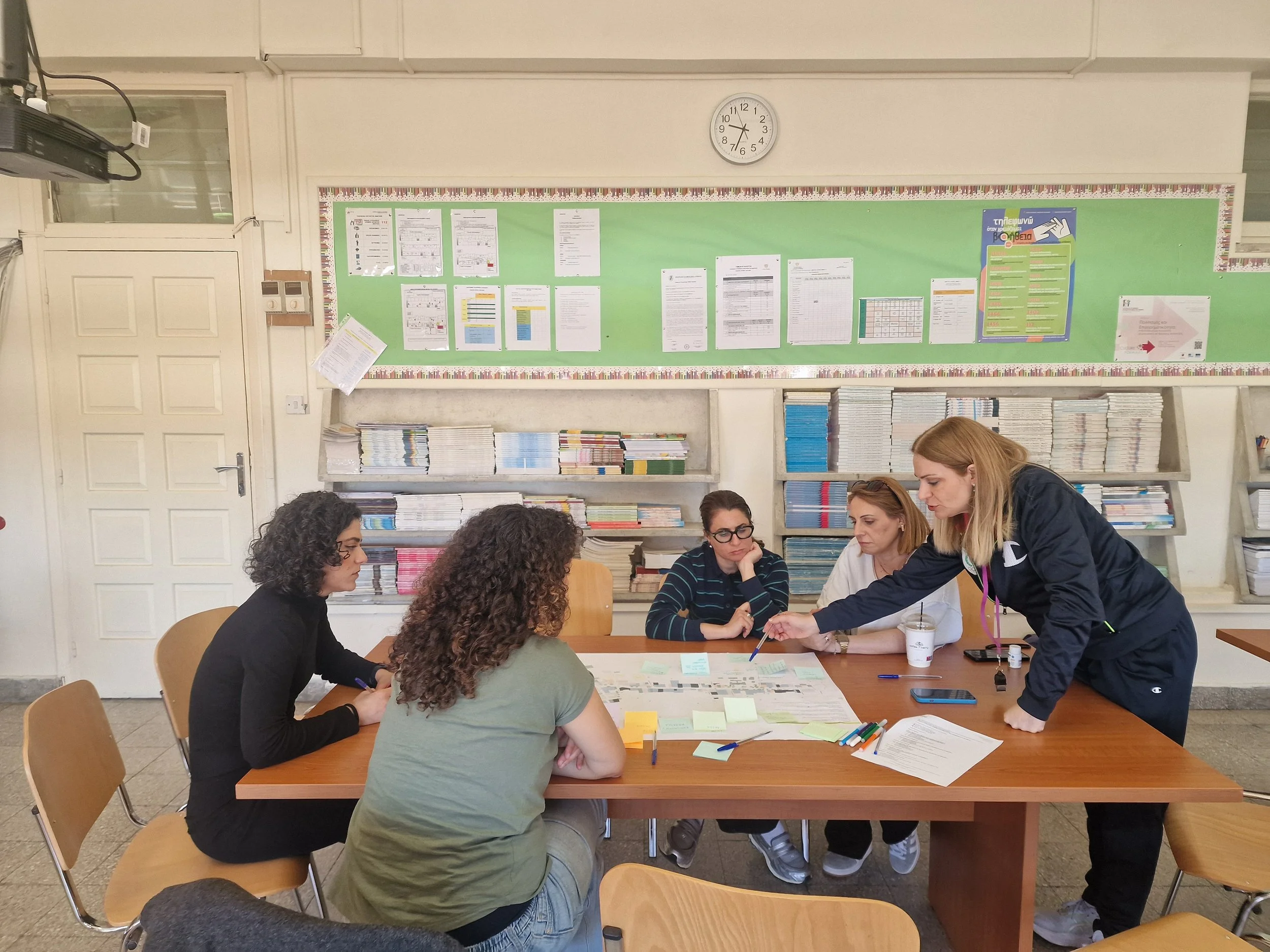
Workshop with Teachers and Parents
April 22, 2026
A participatory session was held with 6 participants, including teachers and representatives of the parents’ association, to explore the street from the perspective of the school community. The discussion focused on everyday mobility, safety, and the role of the street in children’s lives.
Participants highlighted the need to improve safety conditions, particularly around school areas, and to reduce the impact of traffic. Environmental factors such as noise, lack of shade, and limited accessibility were also discussed. The session also identified the potential of Anexartisias as a space for learning, play, and community activities, beyond its current function as a transit corridor.
-
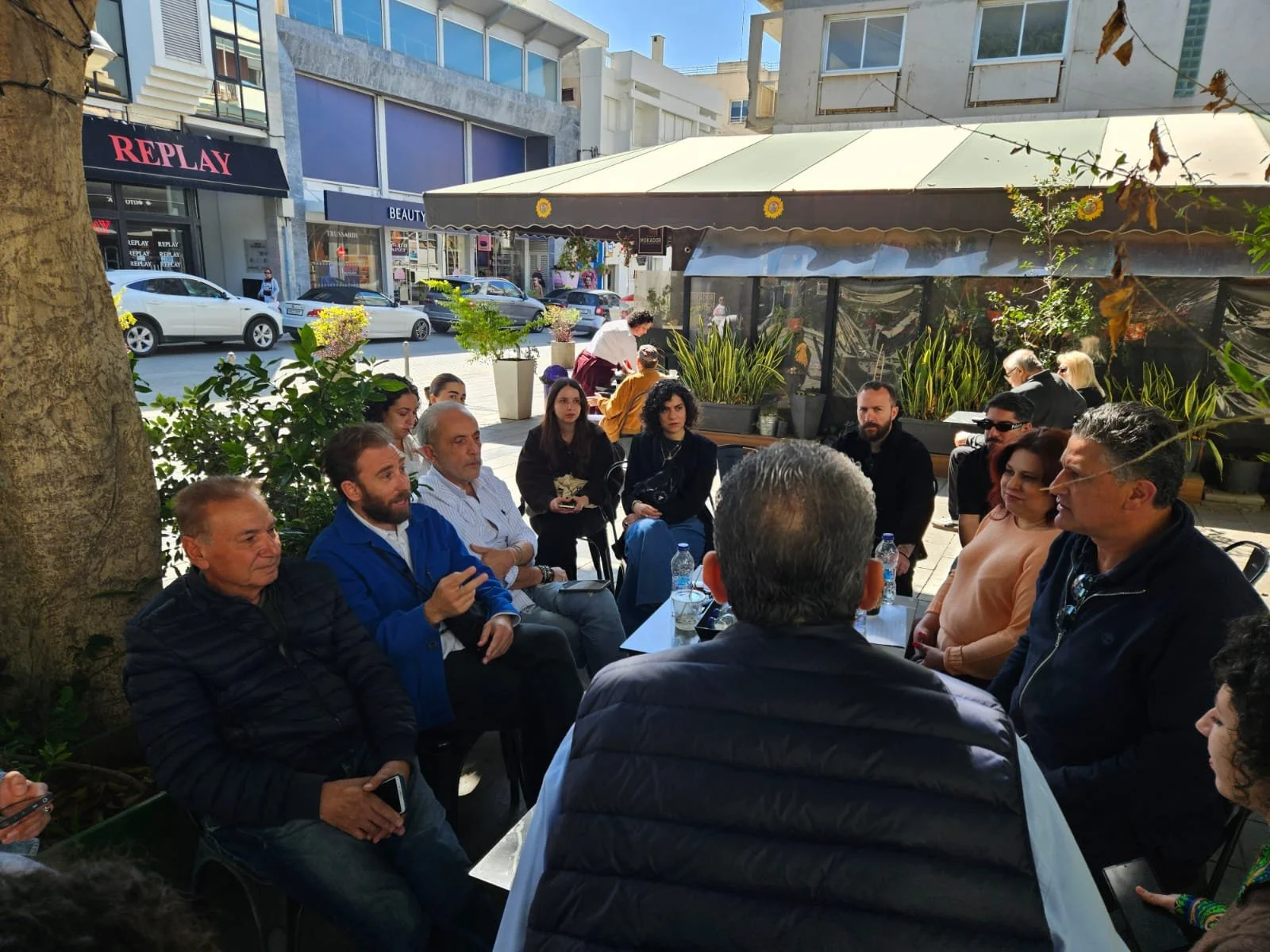
Meeting with Shop Owners
April 23, 2026
A meeting with 21 participants, mainly shop owners from Anexartisias Street, was organized to understand the functioning of the area as a commercial axis and to gather insights from daily business activity. The session was structured as an open discussion focusing on current challenges and future needs.
Key topics included accessibility, parking, circulation, and the impact of potential interventions on economic activity. Participants expressed concerns about construction phases and timelines, while also identifying opportunities to improve the attractiveness and functionality of the street. The discussion contributed to building a shared understanding of the relationship between public space and local economy.
-
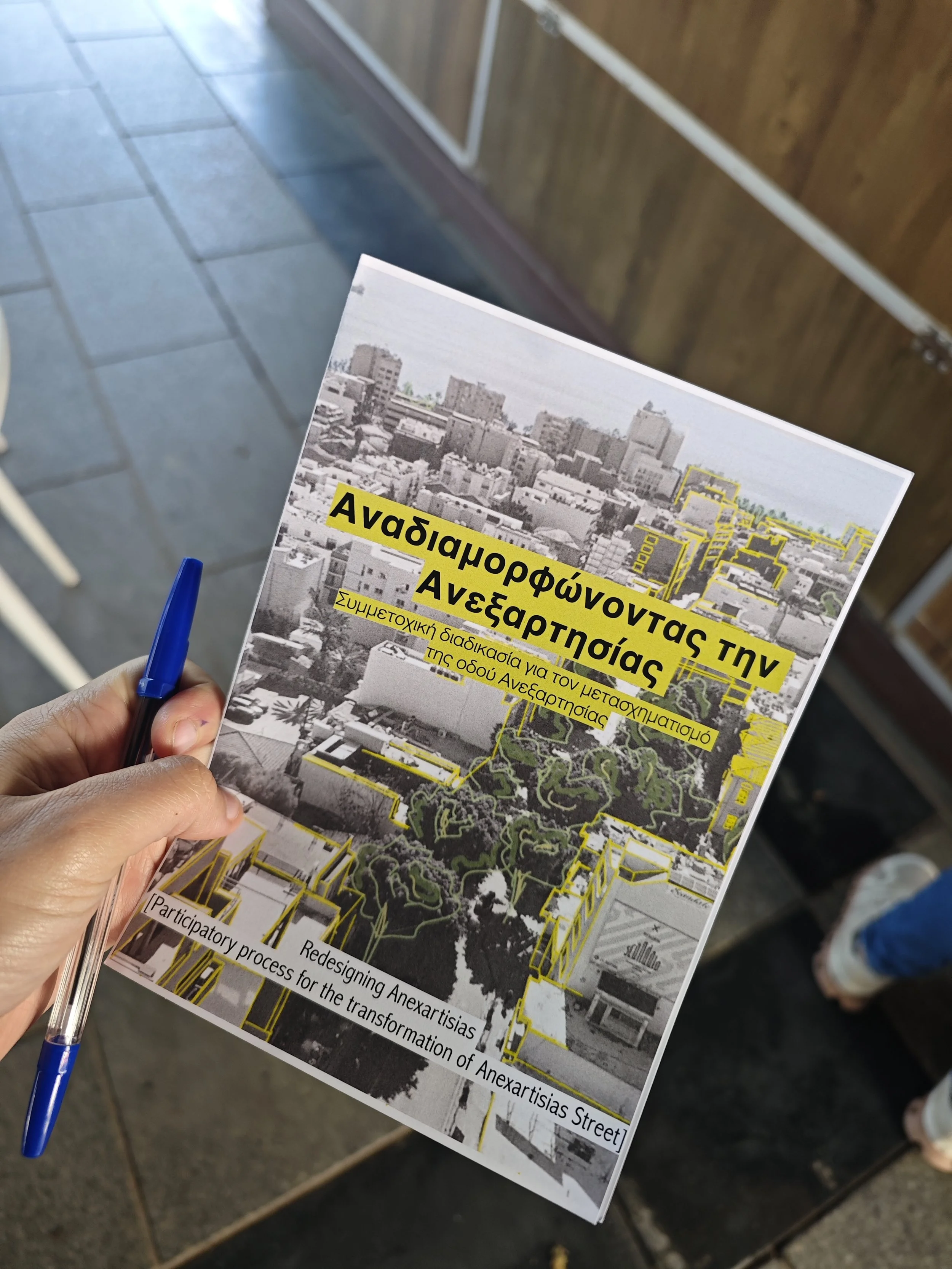
On-site Engagement and Questionnaire with Local Shops
April 23, 2026
An on-site engagement activity was carried out along Anexartisias Street, visiting more than 100 shops and ground-floor businesses to inform them about the project and invite their participation in the process. The team walked along the street and its adjacent sidewalks, establishing direct contact with local stakeholders.
During the visits, information about the project was shared and online questionnaires were provided, allowing business owners and staff to contribute their feedback at their own time. The aim was to collect insights on everyday needs, logistics, accessibility, and the functioning of the street, ensuring that the design process is informed by the real conditions and requirements of local economic activity.
-
Expert Session: Makariou Case Study
April 24, 2026
An online session was held with 1 external expert and the project team to review the redevelopment of Makariou Avenue in Nicosia and extract relevant lessons for Anexartisias. The discussion focused on mobility, implementation processes, and stakeholder engagement.
The case study highlighted the importance of coordinated planning, clear communication, and integration with wider mobility systems. Challenges related to long construction periods and limited public engagement were also discussed. The session provided useful insights to inform the ongoing process and to anticipate potential risks in the implementation phase.
-
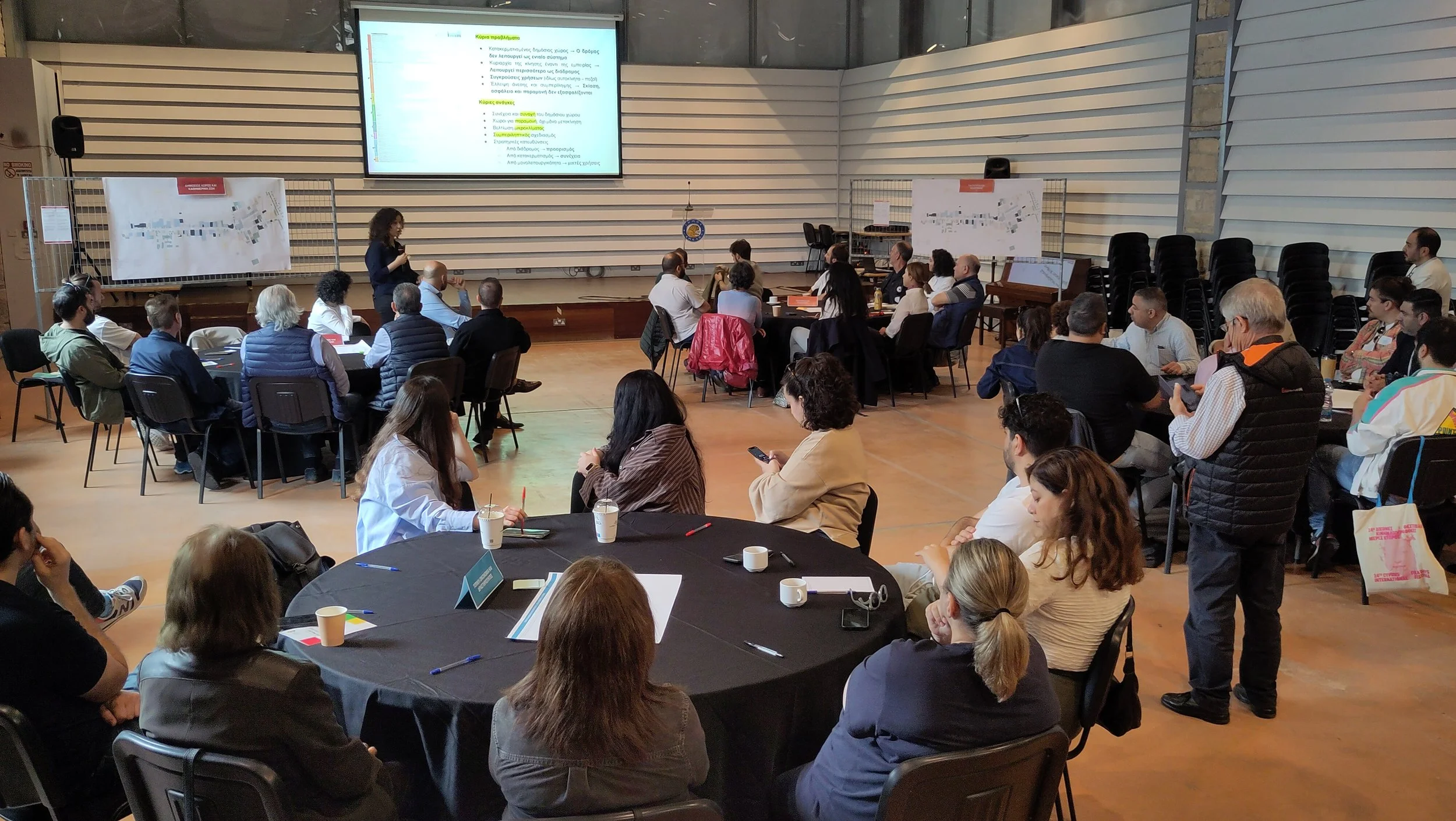
1st Open Public Workshop
April 26, 2026
The first open public workshop was held with 51 participants, including residents and local stakeholders, to gather input on the current conditions and future of Anexartisias Street. The session combined individual mapping exercises with thematic group discussions.
Participants identified key challenges related to mobility, public space quality, environmental comfort, and lack of social spaces. The discussion also highlighted opportunities for rebalancing street use, increasing greenery, activating the space through activities, and reusing underutilized areas. The workshop contributed to building a shared understanding of the street and to defining initial directions for its transformation.
-
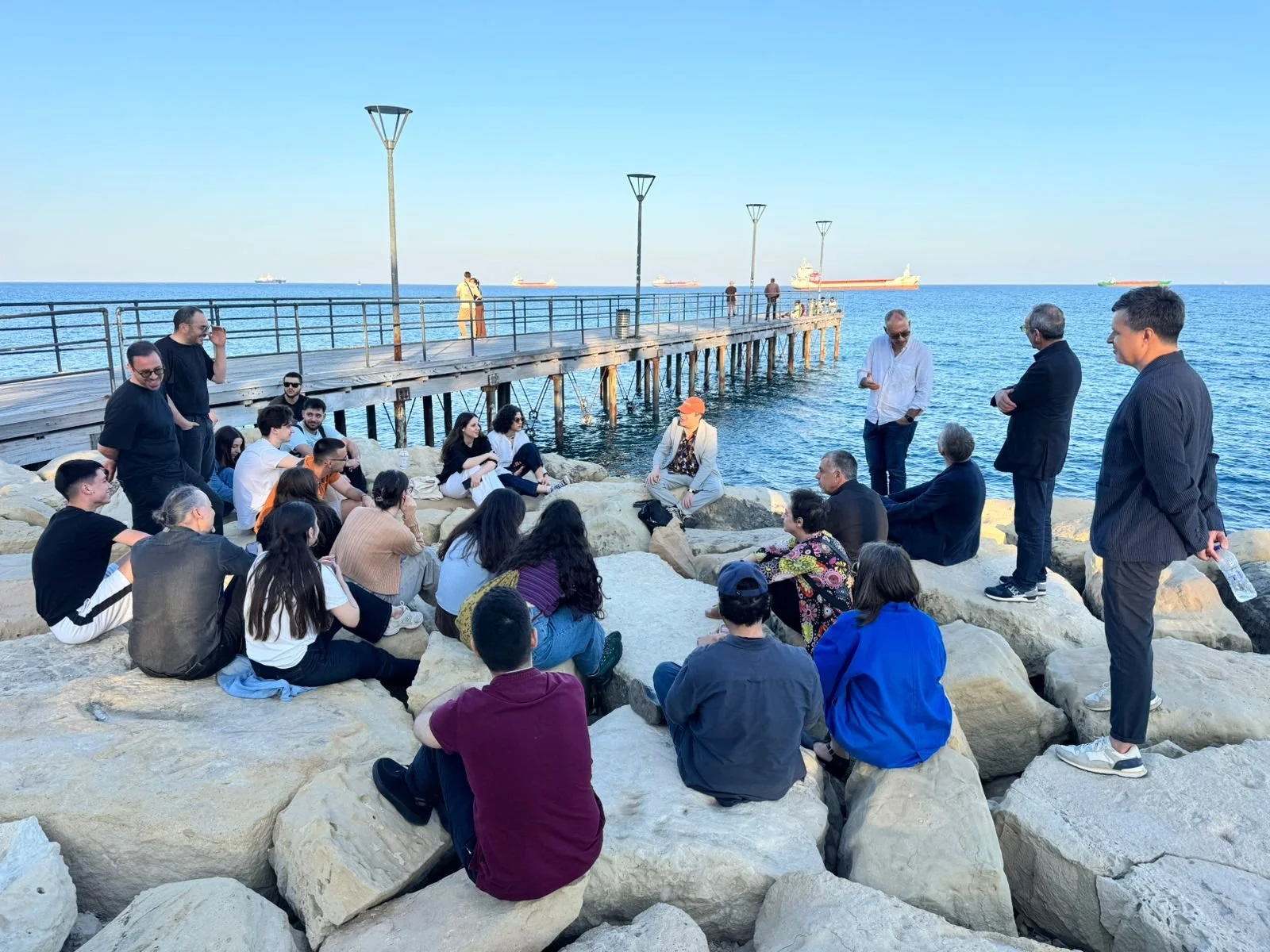
Unspoken Environments - Walking Workshop
May 22, 2026
Our team participated in the Unspoken Environments workshop, which took place along Anexartisias Street in Limassol. This participatory walking workshop invited participants to observe and interpret the often-overlooked environmental qualities of public space through themes such as microclimate, shading, materiality, social interactions, and active urban equipment.
The workshop was organised by the Cyprus Architects Association and was led by Andrés Jaque, Dean of the Columbia Graduate School of Architecture, Planning and Preservation. Architecture students and Cypriot architects also participated, creating a fertile ground for dialogue around the ecological, social, and technological systems that shape and sustain public life in the city.
-
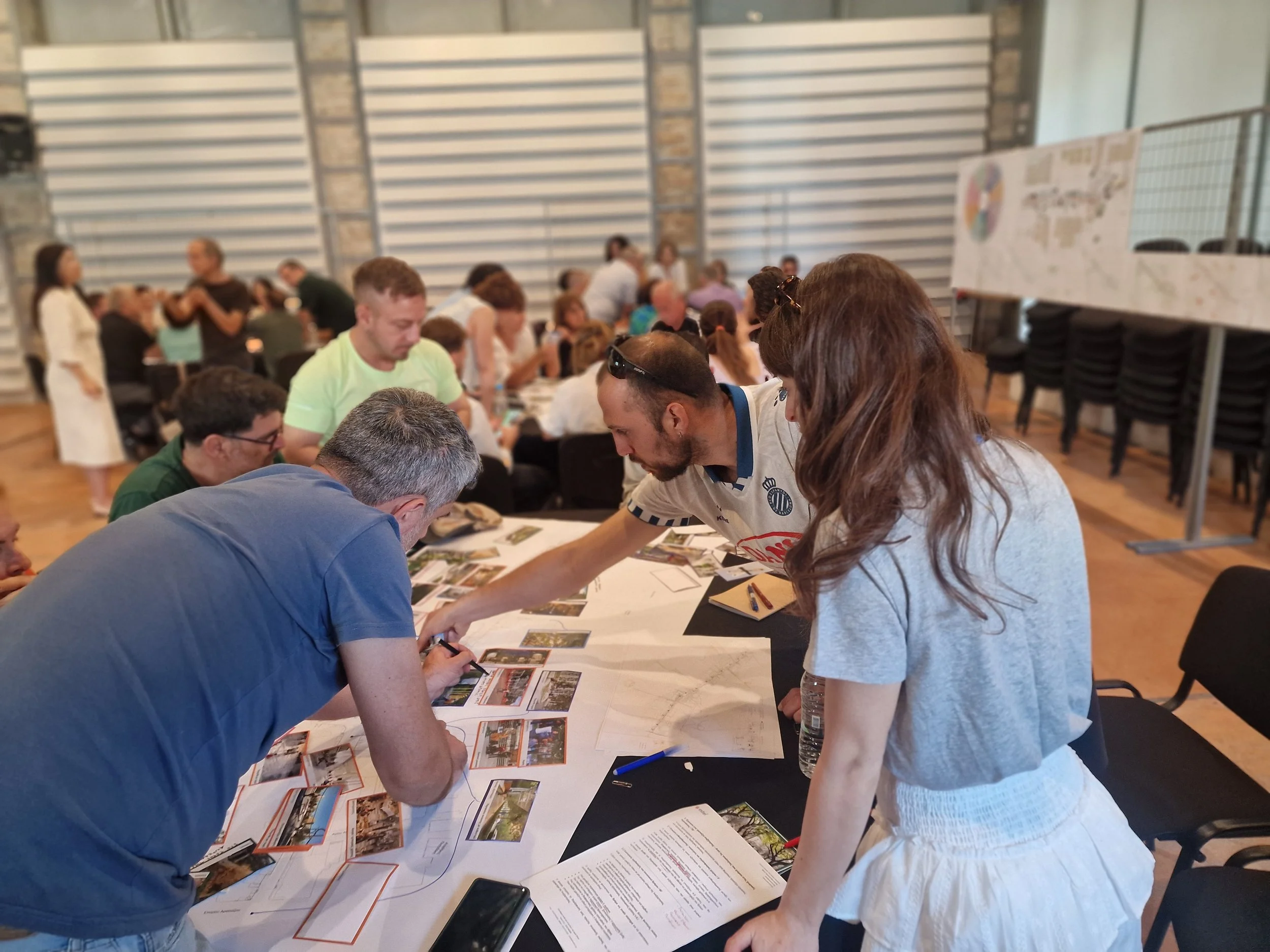
2nd Open Public Workshop: Design Criteria
May 30, 2026
The second open public workshop brought together 42 participants, including residents, local business owners, professionals, representatives of the Municipality, academics, and members of civil society organizations. Building on the findings of the first phase of the participatory process, the workshop focused on translating identified needs, challenges, and opportunities into design principles and spatial directions for the future transformation of Anexartisias Street.
The workshop began with a presentation of the key findings from previous participatory activities, including meetings with local stakeholders, thematic workshops, school activities, accessibility walks, and public consultations. Participants were then invited to work in thematic groups, where they discussed the qualities they envisioned for Anexartisias Street and developed proposals for key locations along the street.
Across the different groups, several common priorities emerged. Participants emphasized the need for more shade, greenery, and climate comfort, as well as additional spaces for rest, meeting, and social interaction. The importance of creating a street that is welcoming, accessible, and comfortable for people of all ages and abilities was repeatedly highlighted. Discussions also focused on strengthening the street’s identity, supporting cultural activities and everyday social life, improving connections with surrounding destinations and public spaces, and enhancing the overall quality of the public realm. The workshop provided valuable guidance for the development of the design proposal and contributed to establishing a shared vision for the future of Anexartisias Street.
-
Online Surveys
April - May, 2026
As part of the participatory process for the transformation of Anexartisias Street, two parallel surveys were conducted: a public survey, completed by 355 participants, and a dedicated business survey, which received responses from 36 local businesses.
The surveys aimed to develop a better understanding of how Anexartisias Street is currently used and experienced, while documenting the needs, priorities, and expectations of the different groups connected to the street.
The findings highlight Anexartisias Street as a place with a strong historical, social, and commercial identity that plays an important role in the everyday life of Limassol. The area functions not only as a commercial destination but also as a space for movement, social interaction, recreation, work, and everyday care-related journeys.
At the same time, the survey results reveal a clear desire to improve the quality of the public realm, with particular emphasis on increasing greenery and shade, enhancing accessibility, improving pedestrian comfort, and strengthening social life. Both residents and businesses recognize the potential of Anexartisias Street and view its regeneration as an opportunity to reinforce its role as one of the city's most important public and commercial spaces.